New Tools, New Habits · Changing how work gets done, not just the tools.

Launch day is planting day, not harvest day.

An operating model is how your organisation gets work done: who does what, who decides, how effort and money are shared out, and which tools people use. Transformation means changing that, not just the tools.

Seeds or soil?

Seeds grow best in good soil. A picture, not a measure.

The story, decoded

In our short story, the community garden is your organisation, the new seeds are any big change, the soil is how your people work (their habits, their know-how and who looks after what), the committee are your leaders, the only watering can is their time, the beds are teams, the chalkboard shows who looks after what, and the neighbours are everyone who picks up the new way. The shed is where an unused change ends up, the old corner with its tea and gossip bench is the comfort of the old way, plastic flowers are a launch that only looks good in photos, a small test row is a small try with one team, and a stray football is an everyday setback to learn from. The cast: Aroha, the garden organiser; Bramble, a hedgehog who dotes on Cabbage, his prize cabbage; and Doris, the neighbour who grows beans up the old flagpole.

Hard ground
What goes into the bed?
  • Any big change: a new system, a new team shape, a new plan.

  • How people really work each day, and the comforts of the old way. Experts call this: culture.

  • What people know how to do, with time and help to practise. Experts call this: capability building.

  • A name on every bed, with shared tools and neighbours who help. Experts call this: organisation design.

New seeds, same hard ground. They sprout, then stall.

Worth knowing: Sometimes the tool needs changing too; listening shows which. Guides and training still matter; they work best next to someone showing how.

Watch · 2 min 16 sec

New Tools, New Habits: changing how work gets done

Launch day at the community garden: ribbon, speeches, new seeds. A few weeks later, nothing has grown. A short story about changing the soil, not just the seeds: the everyday habits, the know-how and who looks after what.

Read the story instead

Who’s who: Aroha, the garden organiser; Bramble, a hedgehog who dotes on Cabbage, his prize cabbage; Doris, a neighbour with big plans for beans; and the committee (your leaders), who run the garden.

  1. NarratorRibbon, speeches, new seeds. Why did nothing grow?
  2. Bramble(proudly patting his cabbage) Cabbage grew by herself.
  3. NarratorThe committee hogs the only watering can (their time), planning the next launch.
  4. NarratorPlastic flowers, for the photo. By autumn, weeds.
  5. ArohaThese seeds were fine. It’s the soil.
  6. NarratorYour business is a garden too. The seeds are any big change. The soil is how your people work.
  7. NarratorThat means habits, know-how, and who looks after what. Skip those, and the big change just sits in the shed.
  8. NarratorWinter. Everyone huddles in the old corner. It’s easy there: the tap, the tea, the gossip bench.
  9. ArohaThen the bench comes too. (She drags the gossip bench over to the new beds.)
  10. NarratorBring the tea to the new beds, so people want to come. Then show each neighbour how.
  11. NarratorSpring. Each neighbour picks a bed. Doris grows beans up the old flagpole, no meeting needed.
  12. BrambleShe didn’t even ask! Scandalous.
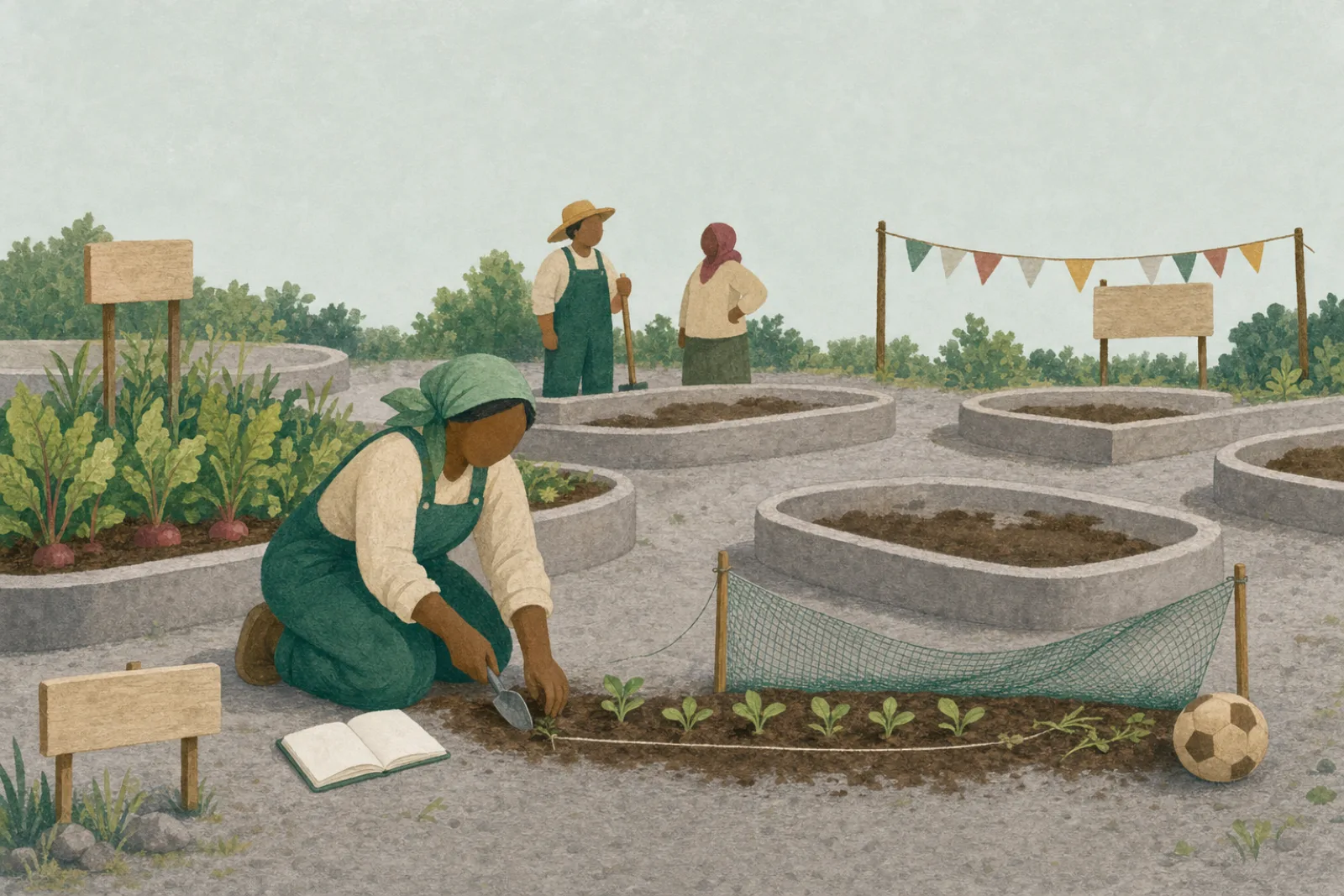
  13. NarratorOne small test row first. A stray football flattens it. Nobody minds; they learn and try again.
  14. ArohaNets next time.
  15. NarratorSummer. There aren’t enough hands for every bed. So they pick a few, and finish those first.
  16. NarratorThe chalkboard shows who looks after what. Soon, neighbours water each other’s beds without being asked.
  17. BrambleSomeone watered Cabbage! She loved it.
  18. NarratorLaunch day is planting day, not harvest day. Keep looking after it, long after the opening.
  19. NarratorNext summer, same seeds. Look! Everyone’s gardening, even Bramble.
  20. Bramble(watering someone else’s bed) Don’t tell Cabbage.
  21. NarratorAlgoshred starts by checking the soil with you, and helps choose where to start.
  22. NarratorWe help one team change its habits first, then help the rest join in.
  23. NarratorSo, how’s your soil? Visit algoshred.com, or write to contact@algoshred.com.

The idea in plain words

Four habits that help a big change take root

Each one in everyday words first, then the name experts use for it.

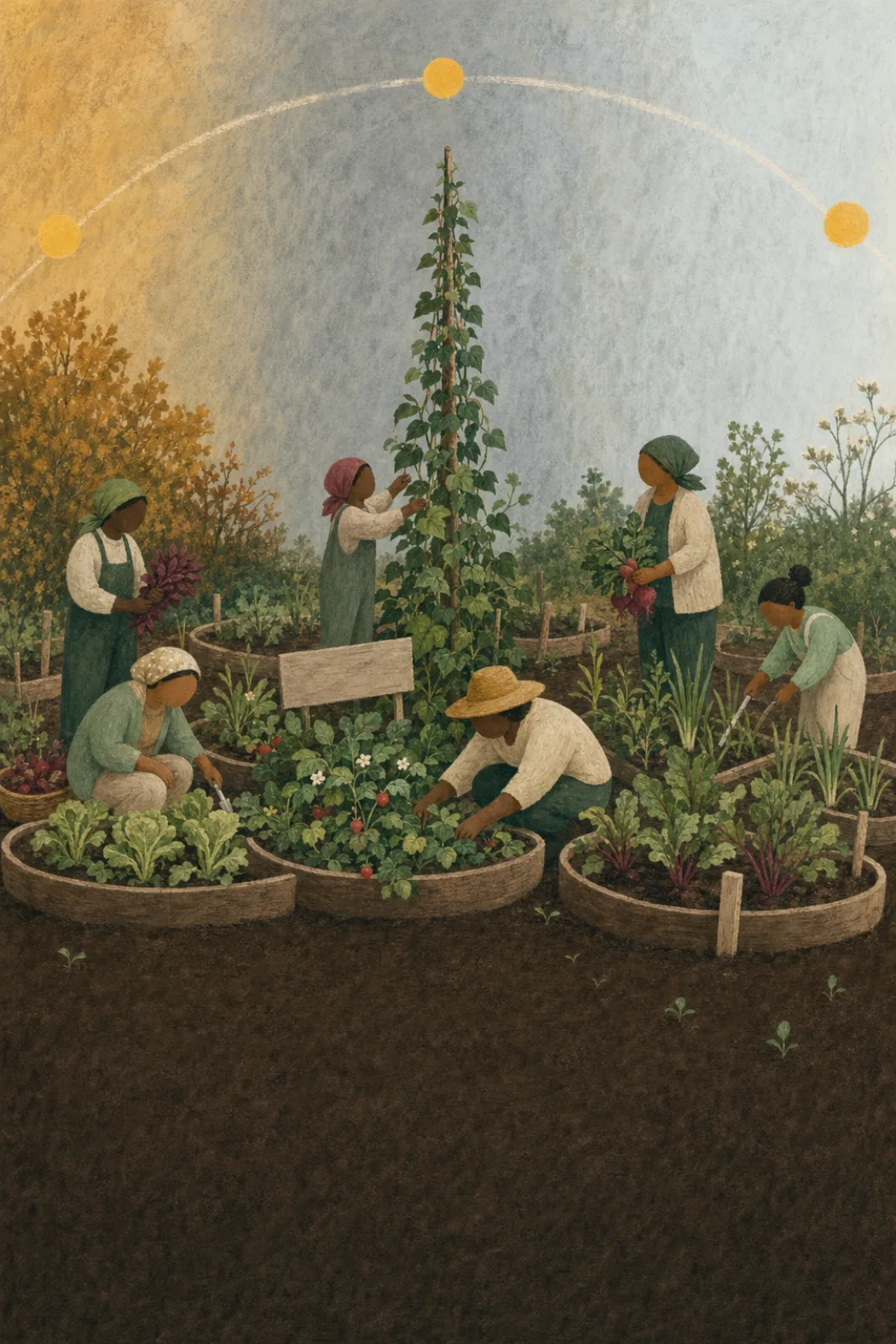
A community garden in late summer, every bed in dark soil and full of plants, with neighbours tending each other’s beds

Change the soil, not just the seeds.

  1. 01

    Change the everyday habits, not just the tools

    A big change lands in how people already work: their habits, what they know how to do, and the comforts of the old way. We help bring those comforts to the new way and show people how, side by side.

    Experts call this: culture, capability building, change management

    Try it in the garden above →
  2. 02

    Put a name on every bed

    Each piece of work has a team that looks after it from start to finish, with shared tools and visiting helpers who show how, then step back. Everyone can see who looks after what.

    Experts call this: organisation design, team topologies, decision rights

    See it on the chalkboard →
  3. 03

    Try one small row, learn, try again

    Try the new way with one team on real work, look at what happened, and change the plan before it spreads.

    Experts call this: agile and lean ways of working, pilots

    Worth knowing: Some small tries won’t work; finding out early is the point.

  4. 04

    Finish a few beds before starting more

    There aren’t enough hands for every bed. Choose what gets money and effort first, and finish those before starting more.

    Experts call this: portfolio management

    Compare the two gardens →

Planting day, not harvest day

Launch and leave, or keep looking after it?

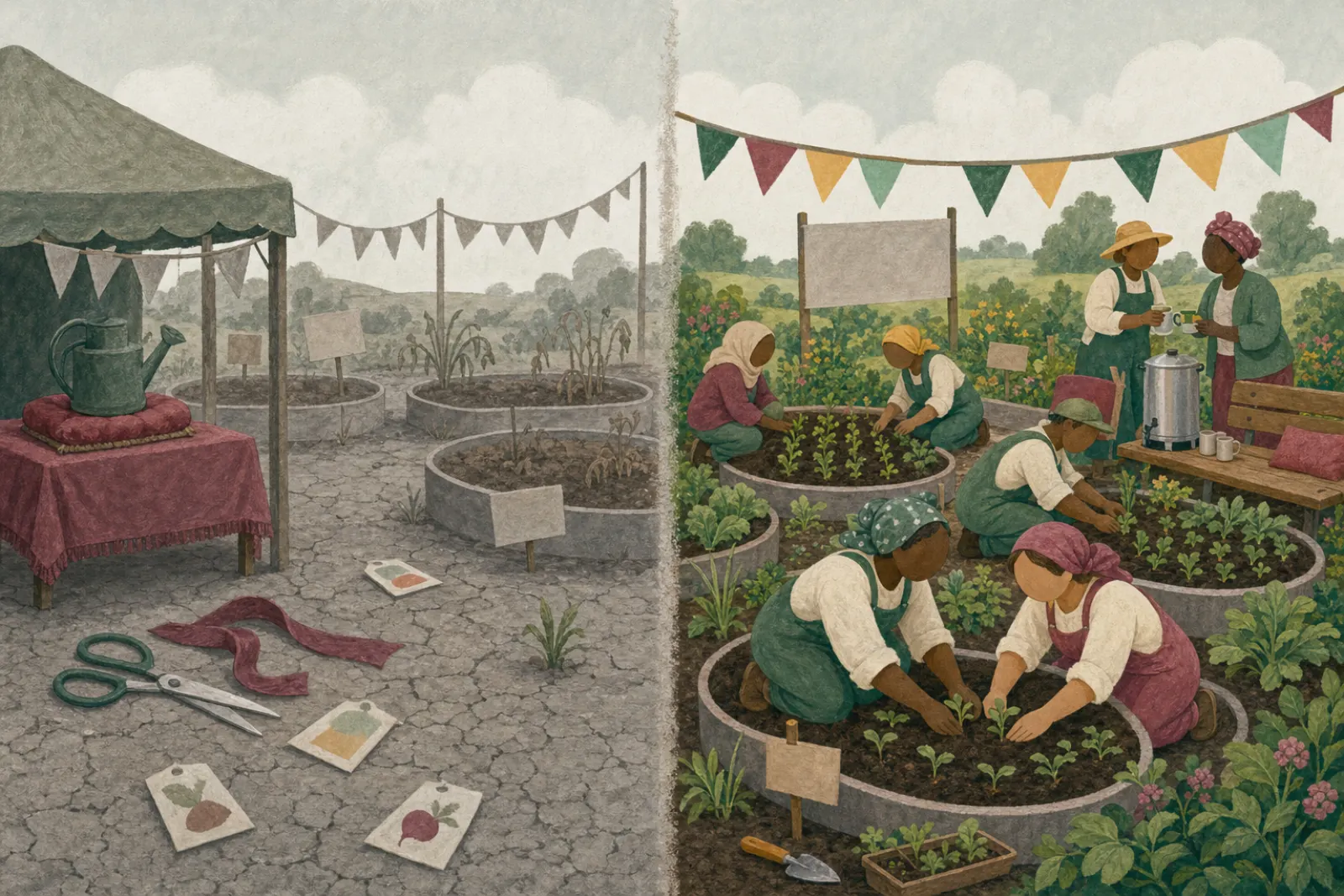
Two gardens get the same new seeds on the same launch day. Pick a season on the sun’s path and compare them.

One garden two ways: seed packets on hard grey ground beside a watering can on a cushion, and the same beds in dark soil with neighbours planting
Launch and leaveKeep looking after it
Pick a season
Launch and leave

The leaders’ time goes on planning the next launch. The seeds sit on hard ground.

Keep looking after it

Someone checks the soil and asks people what gets in the way.

The habit: check the soil first

Launch and leave, or keep looking after it?
SeasonLaunch and leaveKeep looking after it
Launch dayRibbon, speeches, new seeds. Both gardens look the same today.Ribbon, speeches, new seeds. Both gardens look the same today.
A few weeks laterThe leaders’ time goes on planning the next launch. The seeds sit on hard ground.Someone checks the soil and asks people what gets in the way.
WinterEveryone stays in the old corner, where the tea is.The tea and the bench move to the new beds, and each neighbour is shown how.
SpringThe beds have no names, so each one waits for someone else.Each neighbour picks a bed, and one small test row goes in first.
SummerEvery bed got a little water, and none of them was finished.Not enough hands for every bed, so they finish a few first.
Next summerPlastic flowers in the photo bed. Weeds everywhere else.Same seeds, and the garden is growing. Someone is already helping the garden next door get started.

Worth knowing: The seasons in our story are a picture, not a schedule.

Worth knowing: People come round at their own pace, and sometimes listening shows the change itself needs rethinking.

Worth knowing: Choosing what to fund first is your leaders’ call; we help lay out the choices.

The chalkboard

Who looks after what?

Five garden jobs. Chalk a name next to each, or leave it to everyone, then see who does what.

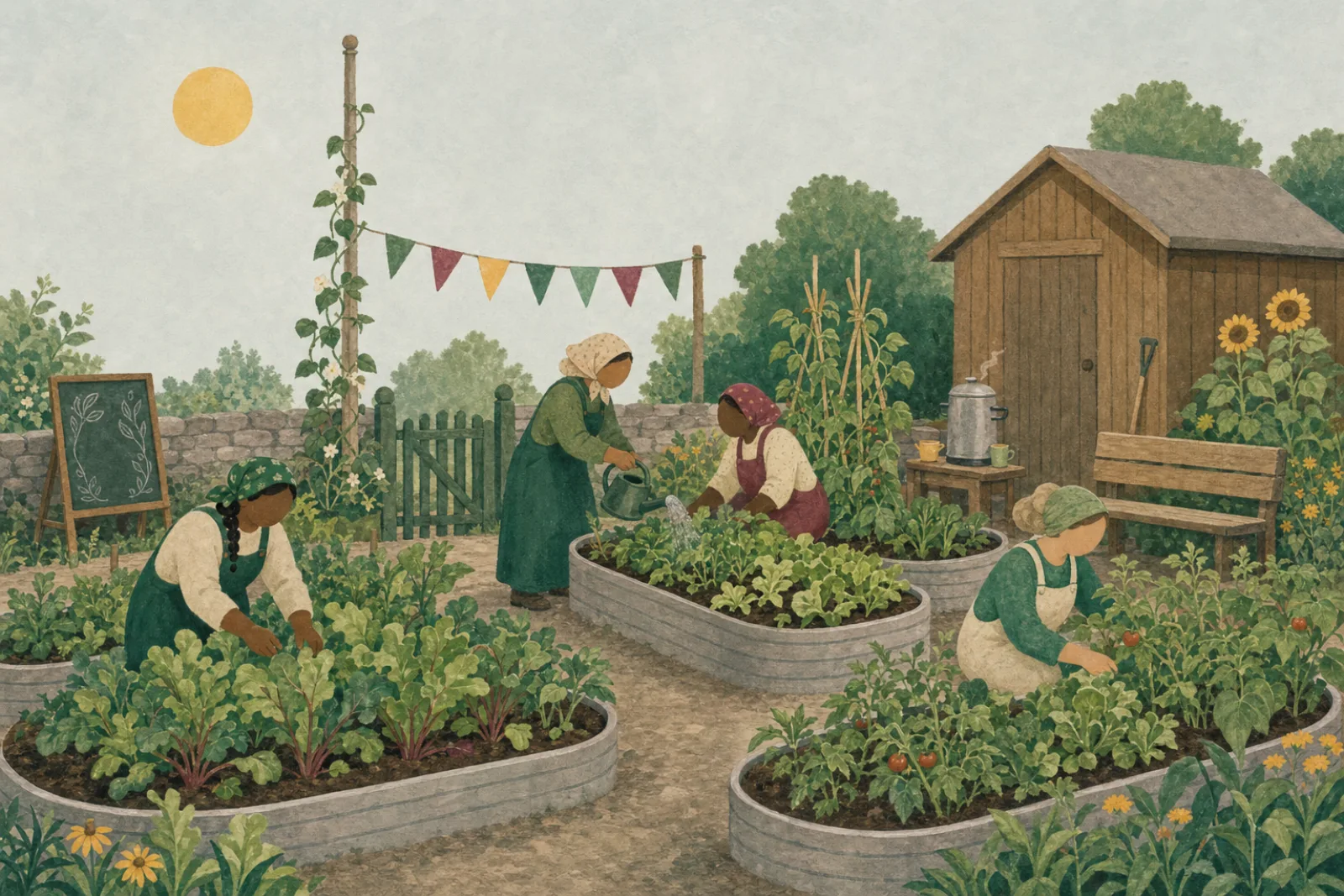
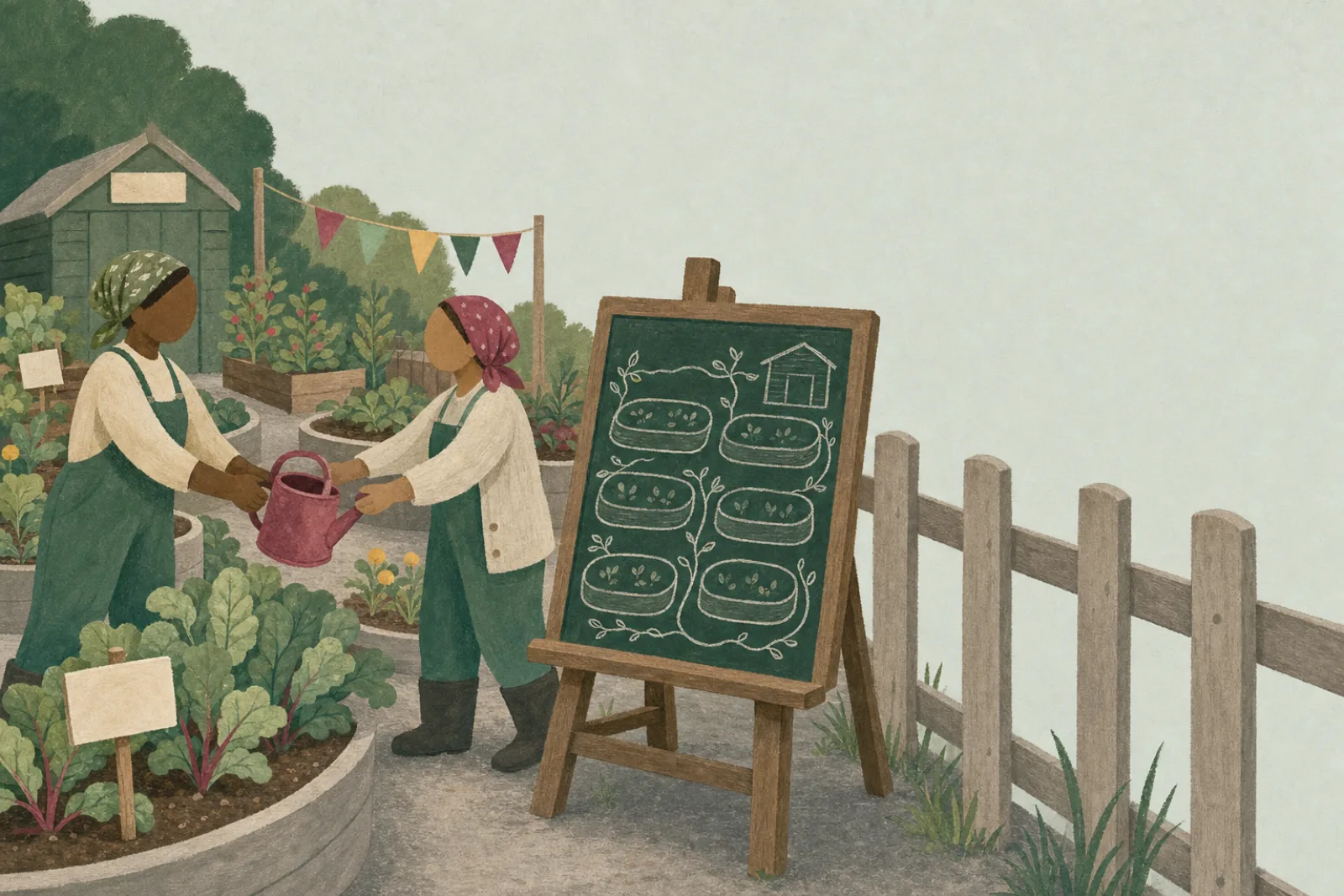
A garden chalkboard with chalk drawings of the beds, beside two neighbours passing a watering can between beds
Start from:

Who looks after what

  • Everyone thought someone else had it, so the tomatoes are wilting.

  • Everyone thought someone else had it, so it’s still broken.

  • Everyone thought someone else had it, so the new beans stay in the packet.

  • Everyone thought someone else had it, so nobody knows where the wheelbarrow is.

  • Everyone thought someone else had it, so the new volunteer just watches.

The “I thought you had it” pile

  • Water the tomatoes
  • Fix the broken fence
  • Try a new kind of bean
  • Lend out the wheelbarrow
  • Teach the new volunteer to prune

Experts call these: organisation design · team topologies · decision rights · Conway’s law

Who looks after what?
The jobEveryone’s gardenChalk in names
Water the tomatoesEveryone thought someone else had it, so the tomatoes are wilting.Jade’s bed team looks after the tomatoes, and they get their water.
Fix the broken fenceEveryone thought someone else had it, so it’s still broken.Mo’s bed team looks after it, with tools from the shed crew.
Try a new kind of beanEveryone thought someone else had it, so the new beans stay in the packet.Doris’s bed team tries one small row first, and notes what happened.
Lend out the wheelbarrowEveryone thought someone else had it, so nobody knows where the wheelbarrow is.The shed crew lends it to every bed, and everyone knows where to find it.
Teach the new volunteer to pruneEveryone thought someone else had it, so the new volunteer just watches.A visiting helper shows how to prune, then steps back while the volunteer tries.

Worth knowing: Clear owners don’t mean working alone.

Worth knowing: Leaders still set direction; the people doing the work look after the day-to-day.

Sounds familiar?

Signs the seeds are sitting in the shed

If any of these ring true, the change probably needs better soil, not more seeds.

  • “We launched the new system. Most people still use the old spreadsheet.”
  • “The launch went well. A few months later, everyone had drifted back.”
  • “When something goes wrong, every team thinks it’s someone else’s job.”
  • “Lots of projects started, not many finished.”
  • “Our leaders’ time goes on planning the next launch, not on helping this one grow.”
  • “Nobody can say who looks after the technology bill, or what each part of it is for.”

A quick soil check

Seven plain questions. Answer what you can, and we’ll point to where we’d look first.

01When you bring in something new, do people get time and help to learn it, not just a login?
02Can each team say, in a sentence, what it looks after from start to finish?
03Do you try new ideas small first, and change the plan from what you learn?
04Do you finish most things you start before starting new ones?
05Can each team see what its technology costs, soon enough to do something about it?
06After a launch, does someone keep helping people with the new way for a while?
07Do the unwritten rules of how things really work here match the new way you’ve asked for?

Where we’d look first

Answer any question and the places we’d look first appear here.

Talk it through

Answer “No” or “Not sure” to any question to email the list.

Nothing is stored or sent unless you choose to email it.

What we help with

From checking the soil to a garden your people look after

Eight pieces of work. Start with one team, or bring them together across the organisation.

Check the soil

Where the change stalls, and why.

See how work really happens today

A plain picture of where work stalls, who decides what, and which habits help or hold back.

We sit with your teams, follow one piece of work through its week, and talk with people at every level about what helps and what gets in the way.

Experts call this: current-state assessment, culture review, value-stream mapping
Also in this area

  • Listening sessions and short surveys at every level
  • Following one piece of work through its week
  • A plain map of who decides what
  • A picture of everything already under way and what it is for

Name who looks after what

Names on the beds, shared help, simple rules.

Give each piece of work a clear owner

Teams who can say what they look after, aiming for less passing of work from team to team before a decision.

We help shape teams around the jobs your customers care about, agree who decides what, and set up shared help for the things every team needs. Clear owners don’t mean working alone.

Experts call this: organisation design, team topologies, decision rights

Fit AI helpers into the work, not on top of it

AI helpers with clear jobs, owners and checks.

AI helpers are chat assistants and AI tools that carry out a task on their own. We help decide which jobs they take on, who checks their work, what changes for the people around them, and who watches what they cost to run.

Experts call this: operating model for AI, AI agents and assistants

Also in this area

  • Teams shaped around the jobs your customers care about
  • Shared help teams and visiting experts who show how, then step back
  • Simple decision rules and regular check-ins
  • Goals given as a problem to solve, not a to-do list

Grow the know-how

People who know how, and help after the launch.

Help people learn the new way, with time to practise

People who know how to work the new way, not just where to log in.

Hands-on learning on real work, coaches beside the team, and room to ask questions without looking silly. Guides and training still matter; they work best next to someone showing how.

Experts call this: capability building, enablement, coaching

Keep helping after launch day

Help that carries on past the launch, for as long as people need it to find their feet.

Explaining the why, asking what people need, a buddy for first tries, bringing the comforts to the new way, and fixing what annoys people, well after the opening. People come round at their own pace, and sometimes listening shows the change itself needs rethinking.

Experts call this: change management, adoption

Also in this area

  • Hands-on learning and coaching on real work
  • Support for managers, who shape daily habits
  • Help after launch day, person by person
  • Training your own coaches so your people carry it on

Try small, finish a few

Small tries, a few things finished, spend everyone can see.

Start with one small row, learn, then widen

A way of working tried on real work before it spreads.

A pilot with one team, short cycles, regular look-backs and a notebook of what was learned, then a planned widening to the next teams. Some small tries won’t work; finding out early is the point.

Experts call this: agile and lean ways of working, pilots, plan-do-check-act

Decide what to fund first, and finish before starting more

A short list of what to finish first, each piece with a clear reason.

We lay out everything already under way, what each piece is for and what it needs, and set up a simple, regular check-in where your leaders choose, pause or stop. Choosing what to fund first is your leaders’ call; we help lay out the choices.

Experts call this: portfolio management, limiting work in progress

Let each team see what its technology costs

Spending each team can see and explain.

Labelling each cost with the team that uses it, simple shared views of cloud, AI and software spend, and a routine where each team looks at its share and decides what’s worth it. Seeing the spend helps only when someone acts on it.

Experts call this: FinOps, cost transparency

Also in this area

  • Pilots with one team, short cycles and look-backs
  • A simple choose, pause or stop review for projects
  • Shared, visible technology spend with team owners
  • AI helpers fitted into redesigned work

We fit around the methods and tools you already use, whatever they are: for example a work tracker such as Jira, a whiteboard such as Miro, your office suite and your cloud provider’s cost tools.

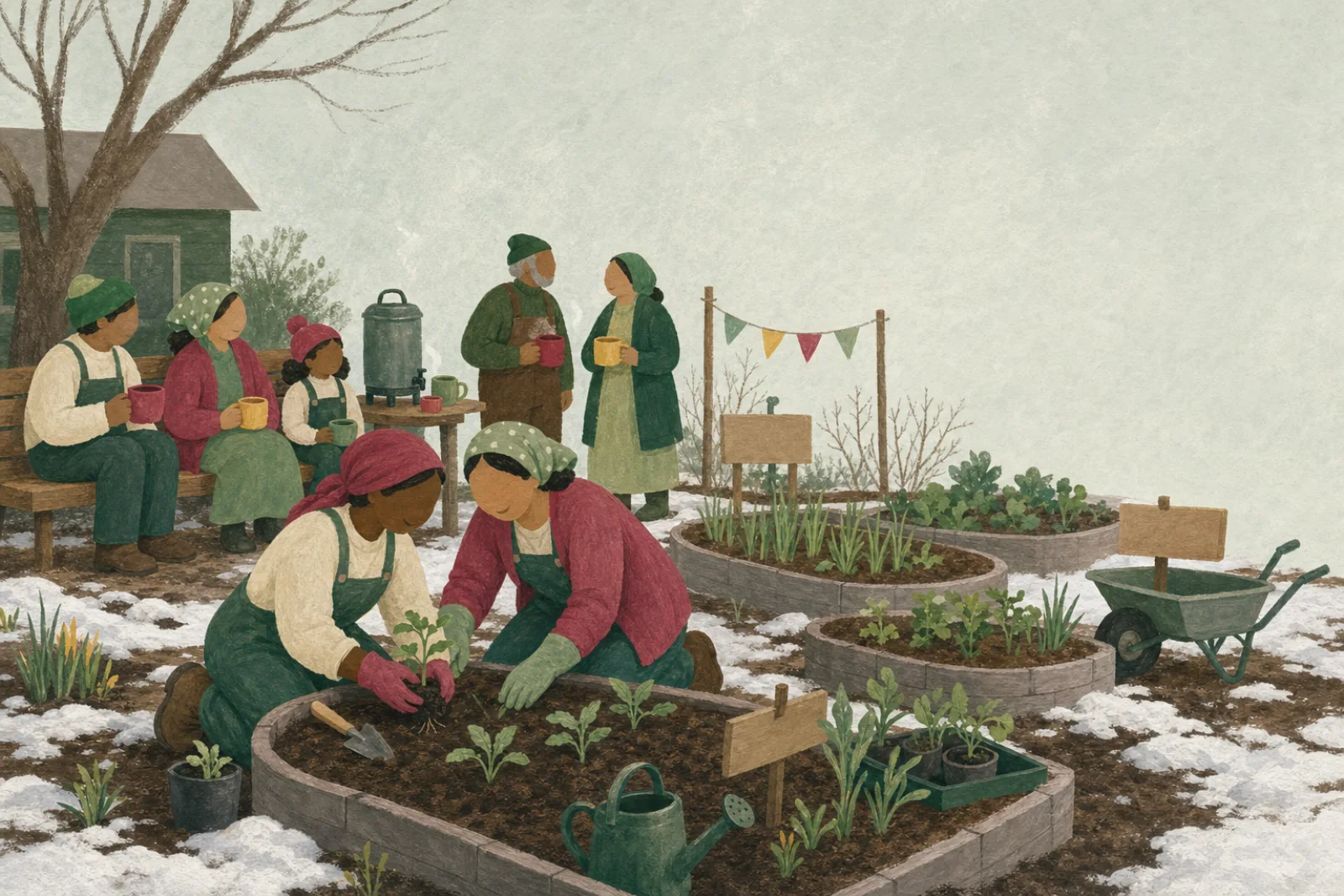
Neighbours with mugs of tea at the new beds while one gardener shows another how to plant the new bed

Ways to start

A soil check

Follow one team’s week, talk with the people doing the work, and get plain findings on where the change stalls.

One bed first

One team tries the new habits on real work, with a name on each piece of work, small tries and a notebook of what was learned.

See the spend

Make technology spend visible for one area, with a simple routine where the team looks at it and chooses what’s worth it.

Ask for a soil check

How we work

Check the soil, then prepare one bed

The same steps as the story, in plain words, with one the story only hints at: learning together.

  1. Check the soil

    Check the soil with you

    We talk with your people at every level, from the front line to the leaders, and follow one piece of work through its week. You get a plain picture of where the change stalls and which habits help or hold it back.

  2. Where to start

    Choose where to start

    We lay out everything already under way, what each piece is for and what it needs, and help pick one place to start. Choosing what to fund first is your leaders’ call; we help lay out the choices.

  3. One bed

    Prepare one bed

    One team gets ready first: a name on each piece of work, time and help to learn the new way, and the comforts of the old way brought along. Leaders set the direction; the team looks after the day-to-day.

  4. Learn together

    Learn together

    The team tries the new way in small rows on real work, looks back often, and keeps a notebook of what it learned. Some small tries won’t work; finding out early is the point.

  5. Help it spread

    Help it spread

    We share what worked with the next teams, keep helping people after launch day, and hand the notebook to your own people so they carry it on. People come round at their own pace, and sometimes listening shows the change itself needs rethinking.

What you get along the way

  • A plain picture of how one piece of work really moves through its week
  • A short list of where to start, agreed with your leaders
  • A chalkboard of who looks after what, for the first team
  • A notebook of what the first team tried and learned
  • A few plain signs of progress, agreed at the start
  • Hand-over sessions so your own people carry it on
A gardener replanting a small test row behind a new net, with a football resting at the end of the row

Illustrative examples

Where it becomes real

Illustrative examples, not customer stories: the kind of work this approach suits.

Healthcare
A hospital bringing in a new rota tool starts with one ward, with ward staff helping shape it, before other wards take it up.
Retail
A retailer moving stores onto one ordering system gives each region an owner, trains store managers on real orders, and keeps helping after the switch-over.
Public sector
A public office with many half-finished projects lays them all out, picks a few to finish, and pauses the rest with a clear reason.
Software and product companies
Teams get a customer problem to solve rather than a list of features, and look back after each small release.
Any business on the cloud
Each team sees its own share of the cloud and software bill and decides what’s worth keeping.
Teams adding AI helpers
Before switching AI on, the team agrees which jobs it does, who checks its work and what changes for the people around it.

Good to know

Questions we are often asked

Plain answers to what owners and tech leads ask first. Something else on your mind?

Ask us directly

What is an operating model, in plain words?

An operating model is how your organisation gets work done: who does what, who decides, how effort and money are shared out, and which tools people use. Transformation means changing that, not just the tools.

Is this about cutting jobs?

That’s not what this work is about. It’s about who looks after what, what people know how to do, and how decisions get made. Decisions about roles stay with your leaders.

Do we have to reorganise everything at once?

No. We start with one team, learn from it, then help the next teams join in. It’s a journey, not a quick fix. Change takes seasons, and timelines depend on your organisation.

Do we need new tools first?

Often not. We start with the habits and owners around the tools you have. Sometimes the tool needs changing too; listening shows which.

Is this only about technology?

No. The seeds can be any big change: a new system, a new team shape, a new plan. The soil is the same: how your people work.

Why does team shape matter for technology?

If two teams hardly talk, the systems they build often don’t fit together well. The way people talk to each other tends to become the way their systems connect; experts call this Conway’s law. So we help shape teams around the work you want your systems to do.

How will we know it’s working?

Together we pick a few plain signs at the start, such as people choosing the new way without being chased, less passing of work from team to team before a decision, teams who can say what they look after, and spending each team can explain, and we look at them regularly. We don’t promise numbers.

What happens after the engagement ends?

Your own coaches and leaders keep the notebook, the regular check-ins and the plain signs. We train them to run it, and we can stay on to help with the next teams if you prefer.

Heard it before?

Myths, answered

Myth: “Transformation means buying new software.”

Answer: The seeds can be fine. If the habits, the know-how and who looks after what stay the same, the new thing just sits in the shed. Sometimes the tool needs changing too; listening shows which.

Myth: “Once it’s launched, people will use it.”

Answer: Launch day is planting day, not harvest day. People need to know why, want to, and know how, and someone needs to keep helping after the opening.

Myth: “We need the perfect master plan first.”

Answer: Start with one small row, learn from it, then widen. Some small tries won’t work; finding out early is the point.

Myth: “A new org chart fixes it.”

Answer: New boxes help only when each team knows what it looks after and has the know-how to do it. Clear owners don’t mean working alone.

Myth: “Agile means no plan.”

Answer: It means short plans you check often, so you can change course early.

Myth: “Showing teams the technology bill is just a way to say no.”

Answer: It’s about knowing who uses what and why, so each team can choose what’s worth it. Seeing the spend helps only when someone acts on it.